Living Trust Blog
-
-

Living Trust Cost by State: Why Your Location Can Affect the Price
Living Trust Cost by State: How Location Can Change Your Estate Planning Price See How Attorney Markets, State Requirements, Real Estate Transfers, and Estate Complexity Can Influence What You Pay Article-at-a-Glance Ask ten estate planning attorneys in ten different states what a living trust costs, and you’ll get ten different answers — and all of…
-

Living Trust Funding Checklist: What to Do After You Sign Your Trust
Living Trust Funding Checklist: Essential Steps for a Fully Funded Trust Use This Practical Checklist to Organize Asset Transfers, Beneficiary Designations, Records, and Follow-Up You signed your trust, shook the notary’s hand, and maybe even celebrated a little — but if you stopped there, your estate plan isn’t finished yet. A living trust only protects…
-

Does Putting a House in a Trust Affect Property Taxes?
Does Putting a House in a Trust Affect Property Taxes? Reassessment and Exemption Rules Explained Understand Why the Answer Depends on State and Local Law, Ownership Changes, Reassessment Rules, and Available Exclusions Putting a house in a trust does not automatically raise or lower your property tax bill, but the paperwork you file and the…
-

Living Trust Laws by State: What Changes When You Move or Own Property Elsewhere?
Living Trust Laws by State: How Trust Rules, Taxes, and Property Laws Can Differ Understand Trust Validity, Administration, Real Estate, Taxes, Marital Property, and Why a Move Can Trigger an Estate-Plan Review Your living trust doesn’t expire at the state line, but the rules governing it can change the moment you cross one. That’s the…
-

Does a Revocable Living Trust Protect Assets From Creditors or Lawsuits?
Does a Revocable Trust Protect Assets From Creditors? Understanding the Limits Learn Why Retaining Control Usually Limits Creditor Protection—and How Revocable and Irrevocable Trusts Differ Key Takeaways: What You Need to Know Right Now Does a revocable living trust protect assets from creditors or lawsuits? In most cases, no — not while you’re still alive…
-

What Is a Pour-Over Will and How Does It Work With a Living Trust?
Pour-Over Will Explained: How It Supports a Living Trust and Handles Unfunded Assets Learn Why Trust-Based Estate Plans Still Use a Will—and Why Assets Passing Through It May Still Require Probate A pour-over will acts like a safety net for your living trust, scooping up any stray assets you forgot to transfer and sending them…
-

Ongoing Living Trust Costs: What You May Pay After Setup
Ongoing Living Trust Costs: Maintenance, Updates, Trustees, and Tax Help Budget for Amendments, Restatements, Funding Changes, Professional Trustees, Tax Help, and Other Possible Expenses Key Takeaways You don’t pay a yearly bill just for owning a revocable living trust. That single sentence clears up more confusion than almost anything else in estate planning, and it’s…
-

How to Put Bank Accounts in a Living Trust
How to Put Bank Accounts in a Living Trust: Retitling and Account Setup Explained Learn How Account Retitling Works and Which Banking Details to Review When Funding Your Trust Putting bank accounts in trust sounds like one more item on an endless estate-planning to-do list, but it’s actually one of the simplest steps you can…
-
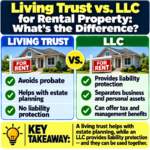
Living Trust vs. LLC for Rental Property: What’s the Difference?
Living Trust vs LLC for Rental Property: Estate Planning and Liability Differences Explained Learn Why Trusts and LLCs Solve Different Problems—and How Ownership, Probate, Liability, Taxes, and Management Can Interact A living trust helps your rental property skip probate and pass smoothly to your heirs, while an LLC helps separate your personal assets from lawsuits…
-

Medicaid Estate Recovery and Living Trusts: Can the State Recover Trust Assets?
Medicaid Estate Recovery Living Trust Rules: When Trust Assets May Be Subject to Recovery Learn When Medicaid Estate Recovery May Apply, Why State Definitions of Estate Matter, and How Trusts Can Be Treated Differently Can a nursing home bill reach into a trust you set up years ago? For thousands of families, that question surfaces…
-
-
-
Living Trust Cost by State: Why Your Location Can Affect the Price
Living Trust Cost by State: How Location Can Change Your Estate Planning Price See How Attorney Markets, State Requirements, Real Estate Transfers, and Estate Complexity Can Influence What You Pay Article-at-a-Glance Ask ten estate planning attorneys in ten different states what a living trust costs, and you’ll get ten different answers — and all of…
-
Living Trust Funding Checklist: What to Do After You Sign Your Trust
Living Trust Funding Checklist: Essential Steps for a Fully Funded Trust Use This Practical Checklist to Organize Asset Transfers, Beneficiary Designations, Records, and Follow-Up You signed your trust, shook the notary’s hand, and maybe even celebrated a little — but if you stopped there, your estate plan isn’t finished yet. A living trust only protects…
-
Does Putting a House in a Trust Affect Property Taxes?
Does Putting a House in a Trust Affect Property Taxes? Reassessment and Exemption Rules Explained Understand Why the Answer Depends on State and Local Law, Ownership Changes, Reassessment Rules, and Available Exclusions Putting a house in a trust does not automatically raise or lower your property tax bill, but the paperwork you file and the…
-
Living Trust Laws by State: What Changes When You Move or Own Property Elsewhere?
Living Trust Laws by State: How Trust Rules, Taxes, and Property Laws Can Differ Understand Trust Validity, Administration, Real Estate, Taxes, Marital Property, and Why a Move Can Trigger an Estate-Plan Review Your living trust doesn’t expire at the state line, but the rules governing it can change the moment you cross one. That’s the…
-
Does a Revocable Living Trust Protect Assets From Creditors or Lawsuits?
Does a Revocable Trust Protect Assets From Creditors? Understanding the Limits Learn Why Retaining Control Usually Limits Creditor Protection—and How Revocable and Irrevocable Trusts Differ Key Takeaways: What You Need to Know Right Now Does a revocable living trust protect assets from creditors or lawsuits? In most cases, no — not while you’re still alive…
-
What Is a Pour-Over Will and How Does It Work With a Living Trust?
Pour-Over Will Explained: How It Supports a Living Trust and Handles Unfunded Assets Learn Why Trust-Based Estate Plans Still Use a Will—and Why Assets Passing Through It May Still Require Probate A pour-over will acts like a safety net for your living trust, scooping up any stray assets you forgot to transfer and sending them…
-
Ongoing Living Trust Costs: What You May Pay After Setup
Ongoing Living Trust Costs: Maintenance, Updates, Trustees, and Tax Help Budget for Amendments, Restatements, Funding Changes, Professional Trustees, Tax Help, and Other Possible Expenses Key Takeaways You don’t pay a yearly bill just for owning a revocable living trust. That single sentence clears up more confusion than almost anything else in estate planning, and it’s…
-
How to Put Bank Accounts in a Living Trust
How to Put Bank Accounts in a Living Trust: Retitling and Account Setup Explained Learn How Account Retitling Works and Which Banking Details to Review When Funding Your Trust Putting bank accounts in trust sounds like one more item on an endless estate-planning to-do list, but it’s actually one of the simplest steps you can…
-
Living Trust vs. LLC for Rental Property: What’s the Difference?
Living Trust vs LLC for Rental Property: Estate Planning and Liability Differences Explained Learn Why Trusts and LLCs Solve Different Problems—and How Ownership, Probate, Liability, Taxes, and Management Can Interact A living trust helps your rental property skip probate and pass smoothly to your heirs, while an LLC helps separate your personal assets from lawsuits…
-
Medicaid Estate Recovery and Living Trusts: Can the State Recover Trust Assets?
Medicaid Estate Recovery Living Trust Rules: When Trust Assets May Be Subject to Recovery Learn When Medicaid Estate Recovery May Apply, Why State Definitions of Estate Matter, and How Trusts Can Be Treated Differently Can a nursing home bill reach into a trust you set up years ago? For thousands of families, that question surfaces…
-