Living Trust Blog
-
-

What Happens to a House in a Living Trust When the Owner Dies?
House in Living Trust After Death: Trustee Duties, Mortgages, Sales, and Beneficiary Options Learn How the Successor Trustee Handles the Property, Mortgage, Expenses, Beneficiaries, Sale Options, and Distribution Instructions The keys don’t automatically land in anyone’s hands the day a trust owner dies, and that surprises a lot of families. What actually happens is a…
-
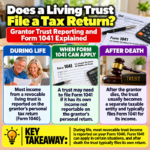
Does a Living Trust File a Tax Return?
Does a Living Trust File a Tax Return? Grantor Trust Reporting and Form 1041 Explained Understand How Revocable Trust Income Is Reported During Life, When Form 1041 Can Apply, and What Changes After Death If you’ve ever wondered whether your revocable living trust needs to file its own tax paperwork, the short answer is almost…
-

Can You Be the Trustee and Beneficiary of Your Own Revocable Living Trust?
Can You Be Trustee and Beneficiary of a Revocable Trust? Understanding the Key Roles Understand the Grantor, Trustee, Beneficiary, and Successor Trustee Roles—and Why One Person Often Holds Several Roles Article-at-a-Glance Can you really be the boss of your own trust, the worker who runs it, and the person who benefits from it all at…
-
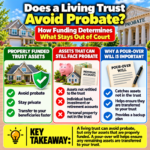
Does a Living Trust Avoid Probate? What It Does—and Doesn’t—Do
Does a Living Trust Avoid Probate? How Funding Determines What Stays Out of Court Learn Why Trust Funding Matters, Which Assets Can Still Face Probate, and Why a Pour-Over Will Remains Important Article at a Glance Does a living trust avoid probate? Sometimes, but only for the assets you actually put into it. That single…
-

Living Trust vs. Will Cost: Which Estate Planning Option Costs More?
Living Trust vs Will Cost: Comparing Upfront and Long-Term Estate Planning Expenses Compare Upfront Costs, Asset Transfers, Updates, Probate Considerations, and the Broader Long-Term Cost Picture A will typically costs less to create than a living trust, but the real answer depends on what happens after you sign the paperwork. If you’re comparing sticker prices…
-

How to Amend a Living Trust: When and How to Make Changes
How to Amend a Living Trust: Updates, Restatements, and Life Changes Explained Understand Amendments, Restatements, Major Life Changes, and When Your Trust Should Be Reviewed Your life doesn’t stay the same, so your trust shouldn’t either — and the good news is that updating a revocable living trust is usually far simpler than creating one…
-

Can You Refinance a House That Is in a Living Trust?
Refinance House in Living Trust: Lender, Title, and Retitling Requirements to Know Learn How Lender Requirements, Title, Trustee Authority, Temporary Retitling, and Trust Documents Can Affect a Refinance Yes, you can refinance a house that’s titled in a living trust—but whether you close in the trust’s name or have to temporarily move the property out…
-
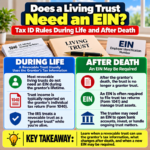
Do You Need an EIN for a Living Trust?
Does a Living Trust Need an EIN? Tax ID Rules During Life and After Death Learn When a Revocable Trust Can Use the Grantor’s Tax Information, What Changes After Death, and When a New EIN May Be Required A living trust usually sails through your lifetime without ever needing its own federal tax ID number,…
-

Revocable Living Trust for Married Couples: Joint vs. Separate Trusts
Revocable Living Trust for Married Couple Planning: Joint vs Separate Trust Options Compare Joint and Separate Trust Structures, Property Ownership, Control, Incapacity Planning, and State-Law Considerations Should a married couple share one trust, or does each spouse need a separate one? The answer isn’t universal, and the right call depends on your state’s property laws,…
-
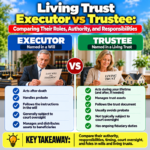
Executor vs. Trustee: What’s the Difference?
Executor vs Trustee: Comparing Their Roles, Authority, and Responsibilities Compare Their Authority, Responsibilities, Timing, Court Oversight, and Roles in Wills and Living Trusts An executor handles your probate estate through the court system, while a trustee manages assets already sitting inside your trust—and if you’ve set up both documents, the same person might wear two…
-
-
-
What Happens to a House in a Living Trust When the Owner Dies?
House in Living Trust After Death: Trustee Duties, Mortgages, Sales, and Beneficiary Options Learn How the Successor Trustee Handles the Property, Mortgage, Expenses, Beneficiaries, Sale Options, and Distribution Instructions The keys don’t automatically land in anyone’s hands the day a trust owner dies, and that surprises a lot of families. What actually happens is a…
-
Does a Living Trust File a Tax Return?
Does a Living Trust File a Tax Return? Grantor Trust Reporting and Form 1041 Explained Understand How Revocable Trust Income Is Reported During Life, When Form 1041 Can Apply, and What Changes After Death If you’ve ever wondered whether your revocable living trust needs to file its own tax paperwork, the short answer is almost…
-
Can You Be the Trustee and Beneficiary of Your Own Revocable Living Trust?
Can You Be Trustee and Beneficiary of a Revocable Trust? Understanding the Key Roles Understand the Grantor, Trustee, Beneficiary, and Successor Trustee Roles—and Why One Person Often Holds Several Roles Article-at-a-Glance Can you really be the boss of your own trust, the worker who runs it, and the person who benefits from it all at…
-
Does a Living Trust Avoid Probate? What It Does—and Doesn’t—Do
Does a Living Trust Avoid Probate? How Funding Determines What Stays Out of Court Learn Why Trust Funding Matters, Which Assets Can Still Face Probate, and Why a Pour-Over Will Remains Important Article at a Glance Does a living trust avoid probate? Sometimes, but only for the assets you actually put into it. That single…
-
Living Trust vs. Will Cost: Which Estate Planning Option Costs More?
Living Trust vs Will Cost: Comparing Upfront and Long-Term Estate Planning Expenses Compare Upfront Costs, Asset Transfers, Updates, Probate Considerations, and the Broader Long-Term Cost Picture A will typically costs less to create than a living trust, but the real answer depends on what happens after you sign the paperwork. If you’re comparing sticker prices…
-
How to Amend a Living Trust: When and How to Make Changes
How to Amend a Living Trust: Updates, Restatements, and Life Changes Explained Understand Amendments, Restatements, Major Life Changes, and When Your Trust Should Be Reviewed Your life doesn’t stay the same, so your trust shouldn’t either — and the good news is that updating a revocable living trust is usually far simpler than creating one…
-
Can You Refinance a House That Is in a Living Trust?
Refinance House in Living Trust: Lender, Title, and Retitling Requirements to Know Learn How Lender Requirements, Title, Trustee Authority, Temporary Retitling, and Trust Documents Can Affect a Refinance Yes, you can refinance a house that’s titled in a living trust—but whether you close in the trust’s name or have to temporarily move the property out…
-
Do You Need an EIN for a Living Trust?
Does a Living Trust Need an EIN? Tax ID Rules During Life and After Death Learn When a Revocable Trust Can Use the Grantor’s Tax Information, What Changes After Death, and When a New EIN May Be Required A living trust usually sails through your lifetime without ever needing its own federal tax ID number,…
-
Revocable Living Trust for Married Couples: Joint vs. Separate Trusts
Revocable Living Trust for Married Couple Planning: Joint vs Separate Trust Options Compare Joint and Separate Trust Structures, Property Ownership, Control, Incapacity Planning, and State-Law Considerations Should a married couple share one trust, or does each spouse need a separate one? The answer isn’t universal, and the right call depends on your state’s property laws,…
-
Executor vs. Trustee: What’s the Difference?
Executor vs Trustee: Comparing Their Roles, Authority, and Responsibilities Compare Their Authority, Responsibilities, Timing, Court Oversight, and Roles in Wills and Living Trusts An executor handles your probate estate through the court system, while a trustee manages assets already sitting inside your trust—and if you’ve set up both documents, the same person might wear two…
-